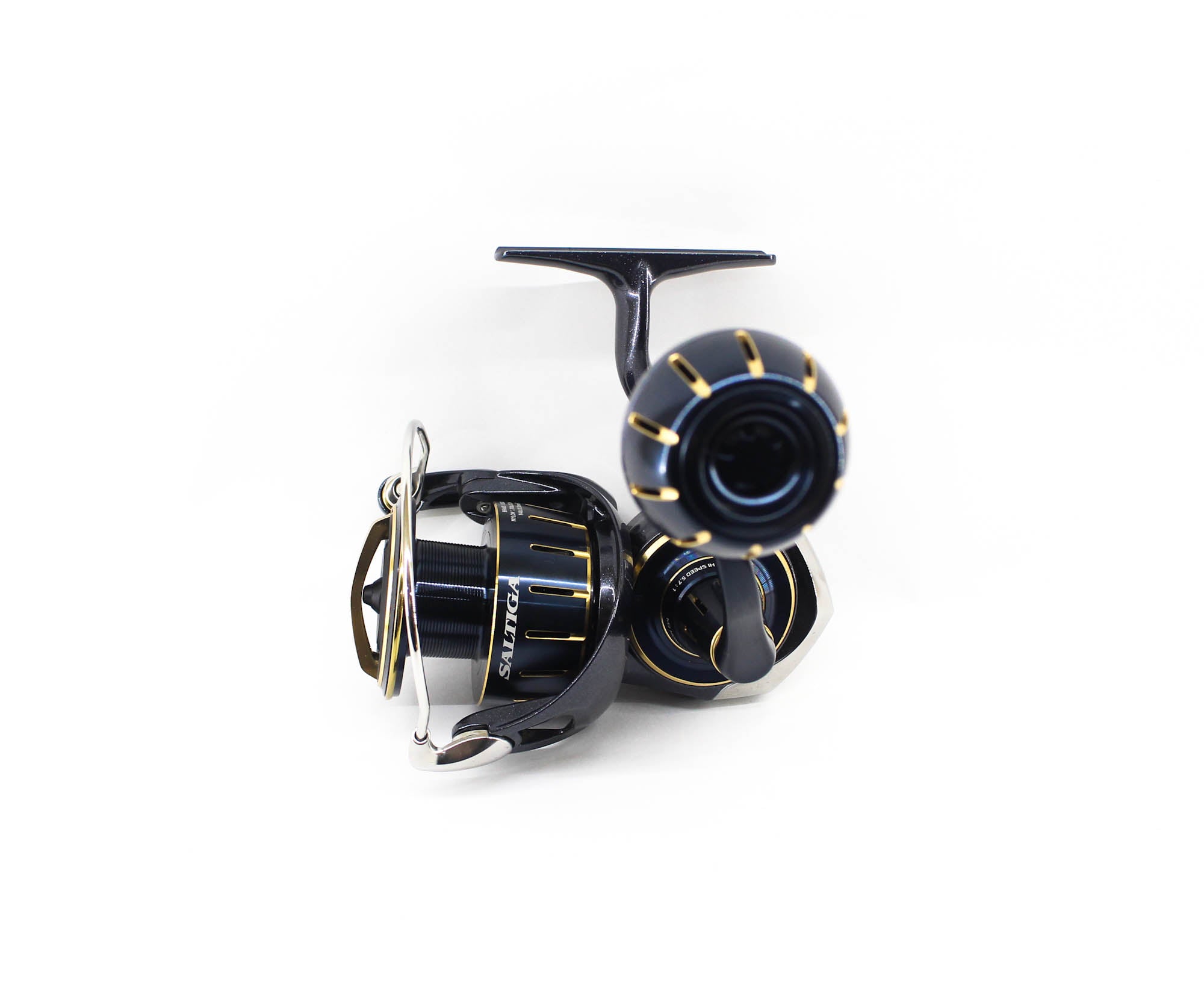
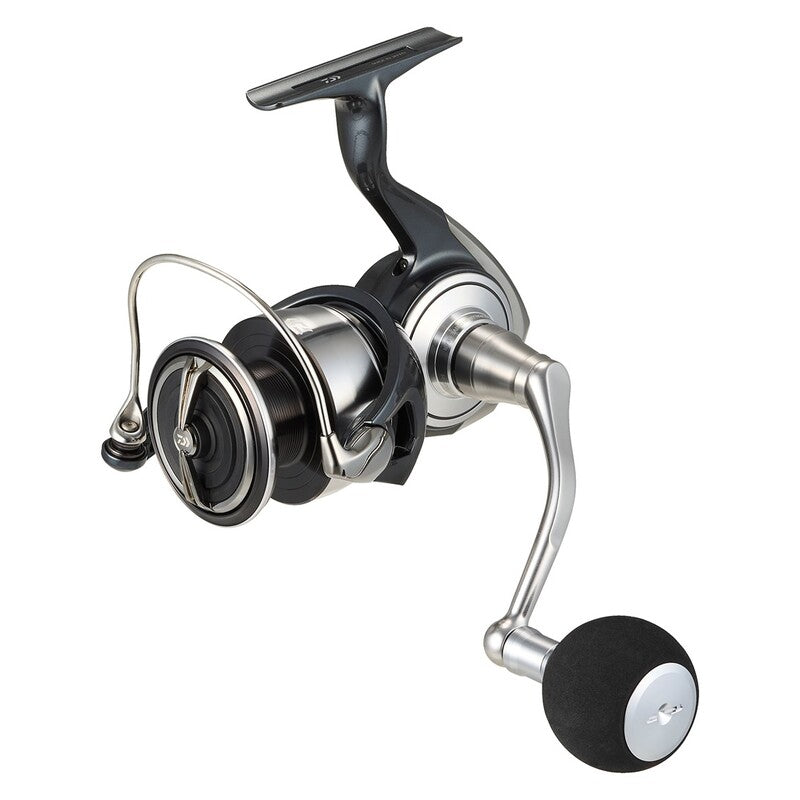
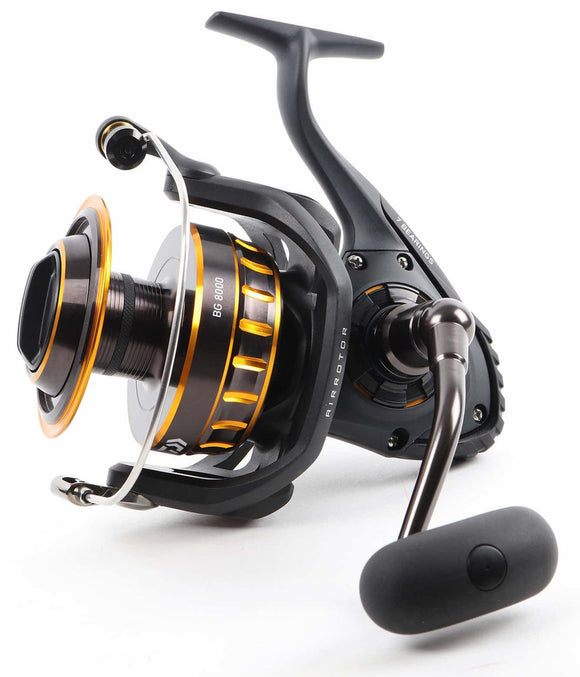
This is a buyers guide first and foremost
All I use for tarpon is spinning reels, from Cabo 120s lined with 150 pound braid to 3000/5000 series reels with 30 pound braid
I went on to catch a bunch of smallmouth

Below are the various characteristics that you need to keep in mind: Resistance to Abrasion: Essentially just how durable the line is, normally coded as extra-tough or extra-strong Size: Indicated by the diameter, not the length, of the line normally shown as either hundredths of an inch or hundredths of a millimetre Stiffness: The flexibility of the line, normally coded as limp or extra-limp Strength: Possibly the most important characteristic, this indicates the amount of weight needed to break the line Stretch: The degree that the line will stretch when put under stress, normally coded as no stretch or low stretch Visibility: How visible the line is to the eye, normally coded as high visibility, low visibility or invisible Select the line type that you are interested in to learn more Monofilament Lines This is the most commonly used line, its been around for many years now and has proved itself as one of the most effective and inexpensive lines on the market
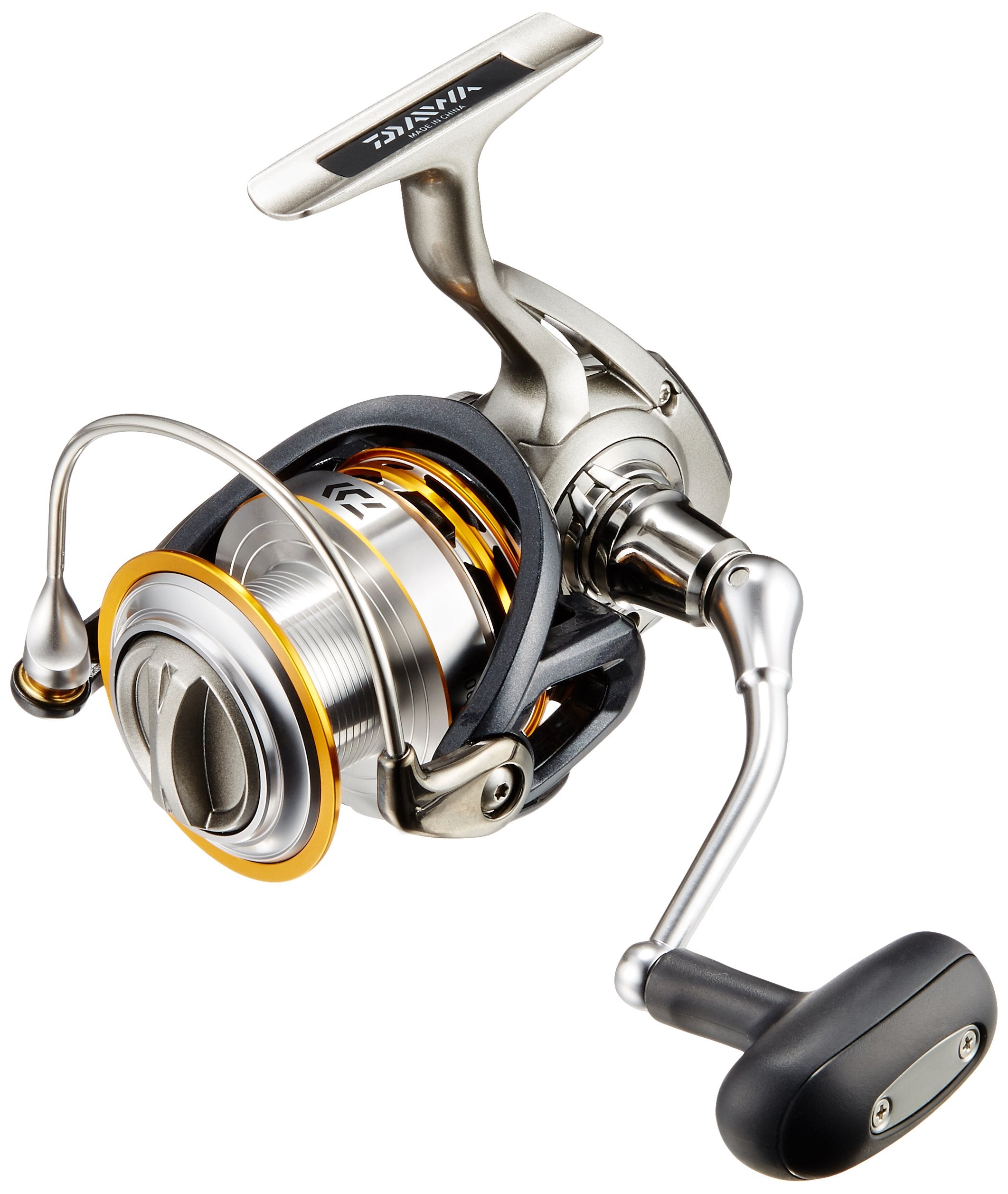
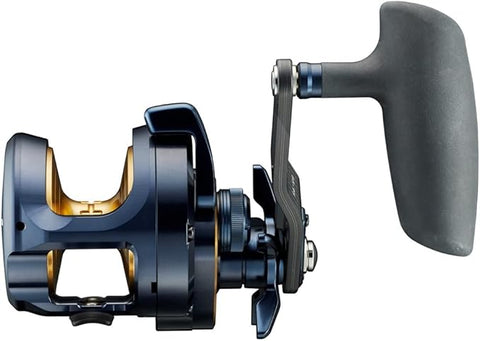
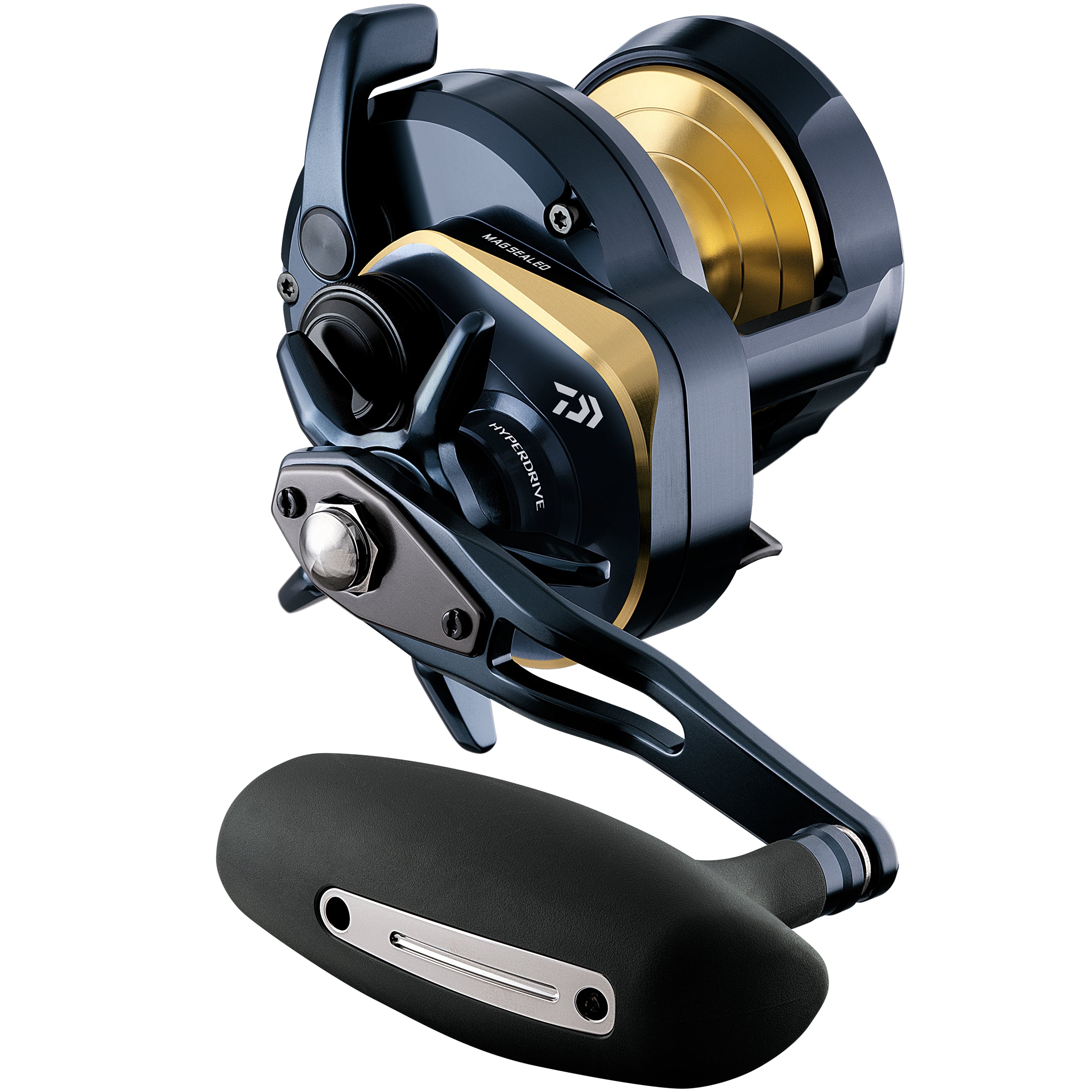
The Best Way To Rinse An Avet Reel Is To Submerge The Reel In Cool Fresh Water, Shake It Under The Water For 5-6 Seconds, Remove And Shake Out The Excess Water